
The Russian Federation Keeps Relitigating. US Courts Keep Saying No.
10 August 2026
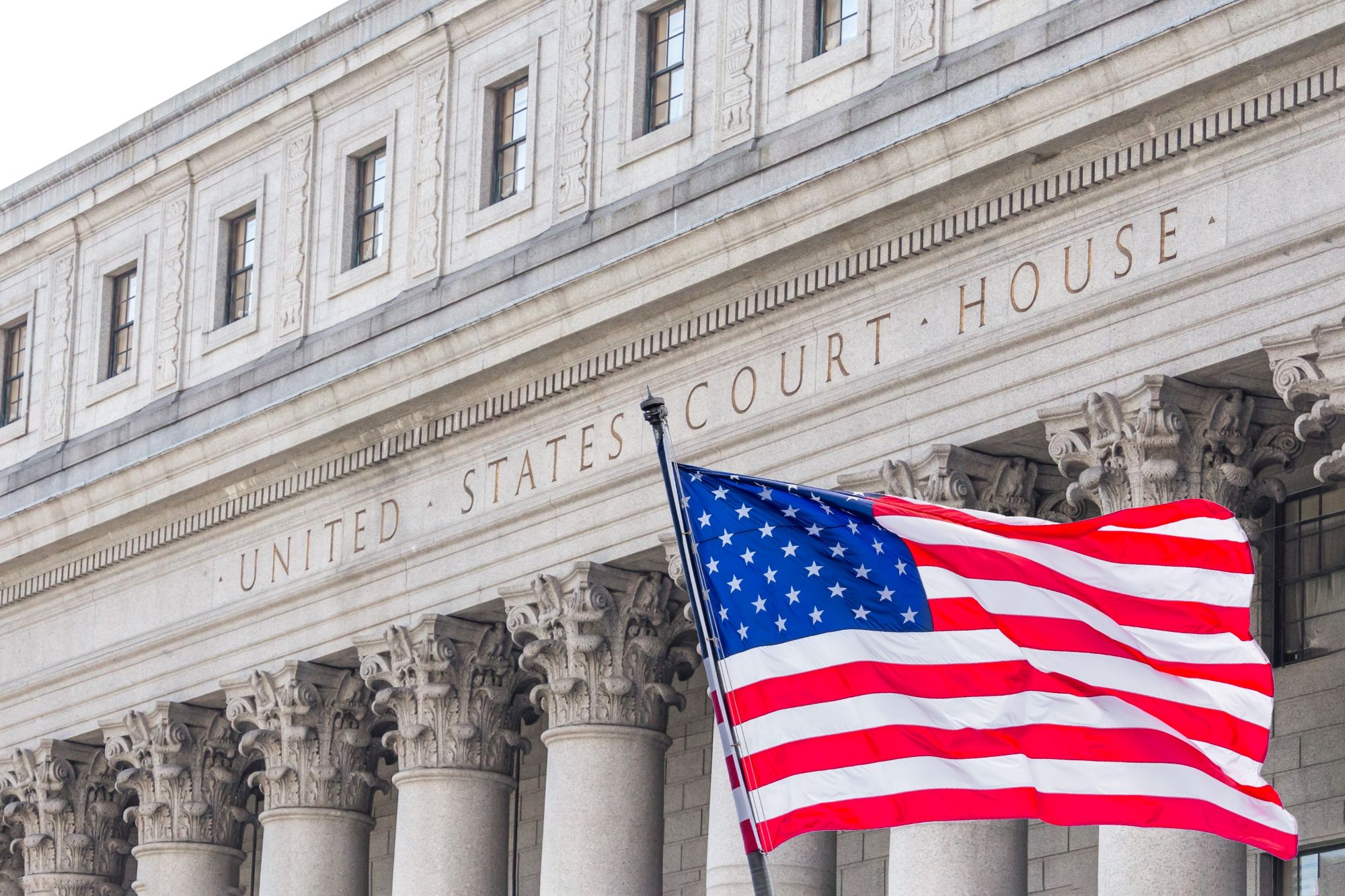
DTEK Krymenergo’s latest filing highlights a recurring feature of enforcement against states: winning the arbitration is only the beginning. The real challenge is making an award survive years of jurisdictional objections, immunity arguments and attempts to reopen issues already decided.
The same arguments keep coming back. US courts keep rejecting them.
This week, DTEK Krymenergo asked a US federal court to stop Russia from reopening issues connected with an arbitral award over electricity assets seized in Crimea.
From the outside, the repetition may seem unusual. For arbitration lawyers, it is a familiar feature of enforcement against states.
An arbitral award is rarely the end of the dispute.
A state may challenge the arbitration agreement, jurisdiction, sovereign immunity, recognition and enforcement across multiple courts and jurisdictions. Arguments rejected in one forum may be reformulated and raised again in another.
For claimants, winning the arbitration is therefore only part of the process.
The harder task is building an enforcement strategy capable of surviving years of jurisdictional challenges, immunity arguments and repeated attempts to reopen issues that have already been decided.
Recent US decisions are making the limits of those challenges clearer.
Earlier this year, the US Court of Appeals rejected Russia’s arguments. Now Krymenergo is asking the federal court to prevent another round of litigation over issues it says have already been resolved.
The broader lesson: in investor-state disputes, the award may determine who won the arbitration. Enforcement determines whether that victory has practical value.